





MOTS-c peptide benefits: complete guide to the exercise mimetic
Lower doses of 2–5 mg/week are used in longevity maintenance protocols. This mimics the insulin-sensitizing effect of exercise and has been shown in mouse models to completely reverse diet-induced insulin resistance. Activated AMPK then drives GLUT4 glucose transporters to the surface of skeletal muscle cells, increasing glucose uptake independently of insulin. It regulates cellular energy metabolism by activating AMPK (enhancing insulin sensitivity), improving glucose uptake in skeletal muscle, suppressing fat cell formation, and triggering antioxidant stress-adaptive programs. Cross-checking provider model details with treatment-specific pages is the fastest way to reduce preventable cost drift in month two and month three.
Monitoring guidance is mitochondrial and metabolic pathway-based because MOTS-c has limited established clinical monitoring standards. May help interpret muscle stress when intense training (muscle pain), or statin use is part of the context. Monitoring focuses on glucose — lipids, liver/kidney context, and muscle-stress context when training intensity is high. MOTS-c and metformin share an AMPK link but are not interchangeable. See SS-31 protocol.Metformin (drug, not peptide)AMPK activator, among other effects.FDA-approved for type 2 diabetes; widely studied for healthy aging.FDA-approved prescription drug. FDA-approved for type 2 diabetes; widely studied for healthy aging.
Providers position it as a metabolic-support adjunct to diet and training, not a standalone fat-loss agent. Common structures include a 4–8 week block of 3–5×/week dosing, or a pulsed “10 days on / 10 days off” pattern, followed by a break and reassessment. For an 80 kg adult that is about 4–12 mg, which brackets the standard 5–10 mg range. Adding 2 mL to a 10 mg vial gives 5 mg/mL, so a 5 mg dose equals 1.0 mL (100 units on a U-100 insulin syringe). Add bacteriostatic water down the inside wall of the vial and swirl gently, never shake. In research and physician-supervised settings, MOTS-c is commonly dosed at 5–10 mg subcutaneously, 3–5 times per week, after a 2–4 week titration starting near 2.5–5 mg.
Since MOTS-c is naturally elevated by exercise, researchers are studying whether exogenous administration can produce exercise-like metabolic adaptations, positioning the compound as a leading MOTS-c exercise mimetic 2026 research candidate.

Its ability to activate AMPK — the same pathway targeted by metformin and exercise — makes it particularly relevant for metabolic disorder research. Studies published in Diabetes demonstrate reversal of insulin resistance in high-fat-diet-induced obesity models.
Considerations for combining various peptides are discussed in the cycling peptides guide. Typically, treatment spans 4 to 6 weeks, followed by a break of equal or longer duration. Some protocols suggest timing MOTS-c injections with workouts, administering the peptide prior to exercise to possibly improve the training outcome. For optimal potency, refrigerate after reconstitution at a temperature between 2 and 8 degrees Celsius and use within a week.
Public discussions commonly describe multi-week observation periods, but individual experiences and reported outcomes vary. The framing here is “rejuvenation,” not weight loss. This article reviews current research (common questions), safety considerations, and how readers can evaluate public information about MOTS-c. This article discusses research and publicly available information and does not endorse or recommend any specific product. The only labeled doses were pediatric and diagnostic.
One randomized dose-ranging trial still tested those low doses. BPC-157 is studied primarily for tissue repair (including gut lining), tendon, and ligament. Because MOTS-c affects glucose metabolism, blood-sugar effects warrant monitoring in anyone with diabetes or prediabetes. Reported effects are generally mild, most commonly injection-site reactions, with occasional fatigue, headache, or nausea. It is also not a reasonable substitute for the interventions with far stronger evidence for the same goals — training, nutrition, sleep, and where indicated, established medical therapy.
This is one of the reasons MOTS-c is often discussed as an “exercise-mimicking” peptide—though it’s important to understand that it does not replace physical activity. I’m Brittney — and this started as a very personal journey—one that began with weight loss but quickly turned into a deep interest in peptide research and education. The pro-longevity diabetes drug metformin 52,53 — has been proposed to regulate metabolism via the folate cycle and the master metabolic regulator AMPK (AMP-activated protein kinase), which can be activated by purine intermediates 54–57. Every paper that anchors the claims on the pillar page, with PubMed links.
After reconstitution with bacteriostatic water (refrigerate at 2–8 °C and use within about 28 days), the window set by the preservative in bacteriostatic water. Keep lyophilized , powder, vials sealed and refrigerated. At higher doses, strong AMPK activation can suppress mTOR signaling, which is the pathway driving muscle protein synthesis. At the standard 5 mg dose (the effect on muscle growth is likely small), though no human study has measured it. Keep MOTS-c at moderate doses if stacking with anabolic-focused peptides. In mice, MOTS-c doubled treadmill time in old animals, prevented diet-induced obesity and insulin resistance, and nudged median lifespan up 6.4% (not statistically significant).
Weight Loss

USADA has specifically warned that MOTS-c is « heavily marketed by wellness and anti-aging clinics » despite being experimental and unapproved. At 25 mg/day for 28 days, CB4211 was generally well-tolerated with no serious adverse events. In published rodent studies, MOTS-c at doses up to 15 mg/kg has not produced reported serious toxicity. Subcutaneous injection is the route most commonly discussed for potential human use. A 2023 review in Frontiers in Endocrinology noted that lower doses , 0.5–5 mg/kg, were typically administered over 8–12 weeks, while higher doses (10–15 mg/kg) were used in 2–4 week protocols.
Share Post:
Persistent headache is commonly addressed by reducing the dose in community protocols; ongoing symptoms should be discussed with a clinician. MOTS-c is studied in metabolic health (exercise performance), and aging research. The authors compared the metabolic profile to the diabetes drug metformin, but stopped short of saying the two are interchangeable. Different vial sizes change the dose volume and the syringe units, so do not copy numbers from a chart that does not match your vial. If your vial size or BAC water volume is different from the example above, use a peptide reconstitution calculator. Plan based on a 10 mg MOTS-c vial reconstituted with 1.0 mL bacteriostatic water.
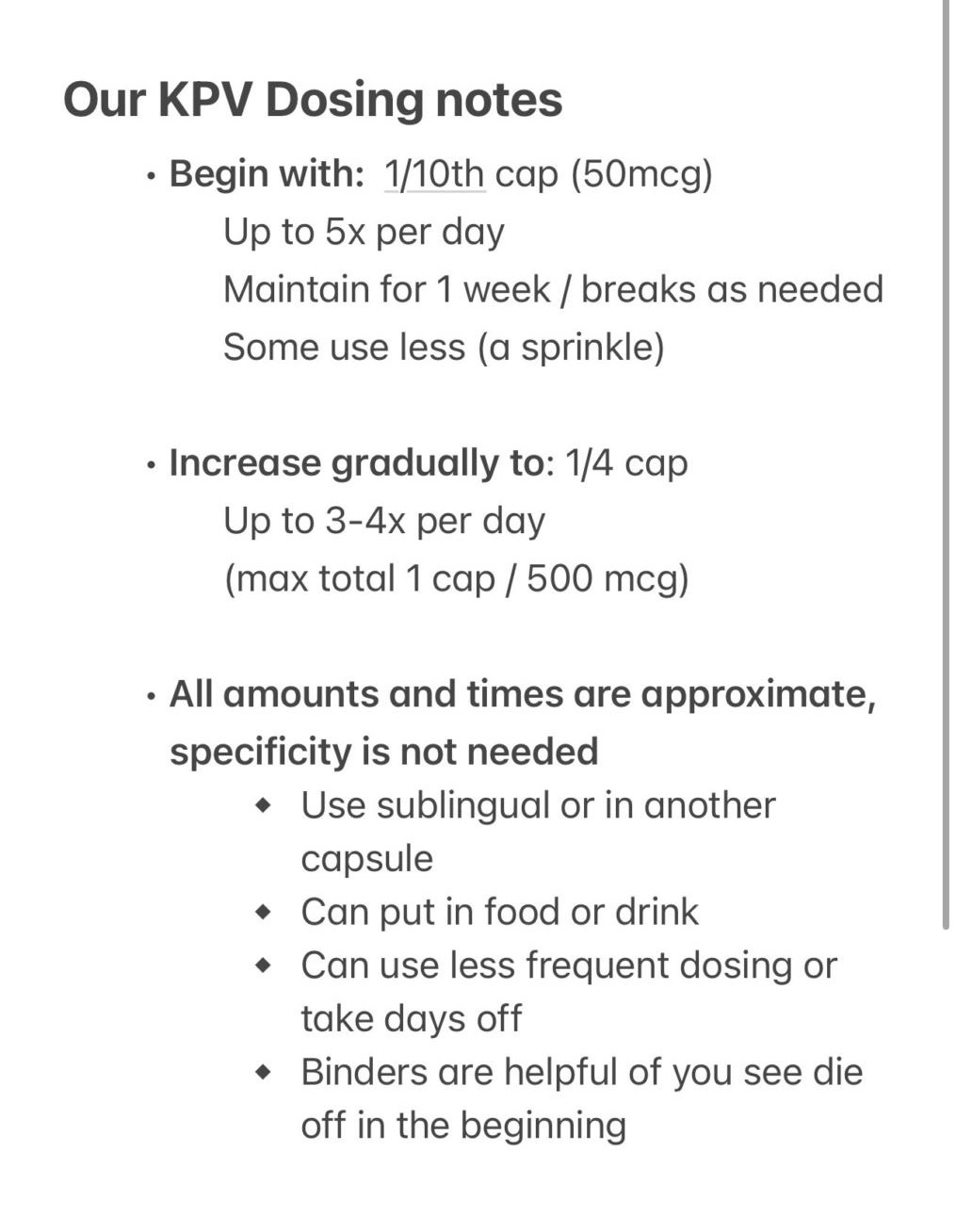
IGF-1 LR3 is not a fat-loss compound either; its insulin-like effects can lower blood sugar, which matters when combined with MOTS-c, since both may lower glucose. Note that this user saw little effect personally (and the “typical protocol” they describe is a community convention), not a studied regimen. For what users say they noticed over a cycle, and how realistic those claims are, see our guide to MOTS-c before and after. Animal doses are given per kilogram of body weight and do not translate directly to people — so the numbers below come from user reports, not from studies.
Athletes are specifically warned by USADA against acquiring MOTS-c products that are labeled as experimental. As of August 11, 2026, there is no FDA approval for MOTS-c pertaining to weight loss, obesity, fatigue, performance enhancement, longevity, osteoporosis, or any other medical use. Performance and recovery can be influenced by several factors — including training load, total calorie and protein intake, sleep, hydration, injury status, recovery periods, biomechanics, physical therapy, and sports medicine. Numerous factors can contribute to weight gain or challenges in losing weight (such as nutrition), sleep quality, medications, insulin resistance, hormonal influences, activity levels, stress, and existing health issues. The current evidence does not substantiate these claims being treated with equal weight. Uncertainties regarding MOTS-c impurities, aggregation, and injectable-product controls were specifically noted in the FDA’s quality review.