Designing a conveying system is a complex task that requires careful planning and attention to detail. Designing a conveying system is a complex task that requires rigorous planning and close attention to detail. According to the recommendations of the Conveyor Equipment Manufacturers Association (CEMA), common conveyor design errors can lead to inefficiencies, increased costs, and even complete system failures.
Understanding these common errors and the underlying engineering mistakes is crucial for engineers and designers. This knowledge helps in creating systems that are efficient, safe, and reliable.
In this guide, we will explore the top five mistakes to avoid in conveying system design. By addressing these issues, you can ensure a successful and effective system. In food processing lines, these challenges are encountered daily and directly addressed by conveying specialists such as Acemia, where conveyor design is engineered as an integral part of overall line performance.
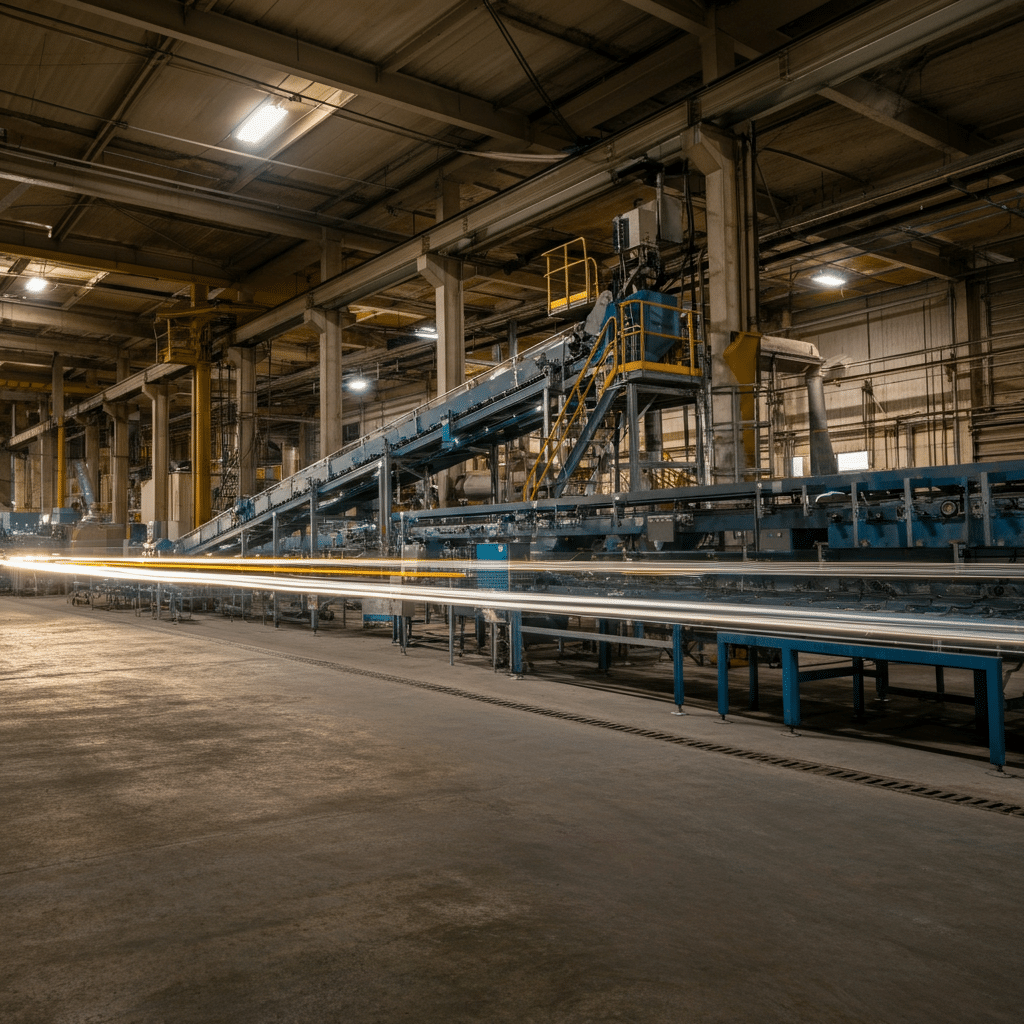
One common error in conveyor design is overlooking the material’s properties. Each material has distinct characteristics like size, weight, moisture content, and abrasiveness. Designing without this knowledge can cause inefficiencies and damage, classic engineering mistakes that undermine long-term performance.
Consider the following material aspects:
Proper assessment ensures the conveyor is tailored to transport the material effectively. Ignoring these factors may result in system wear and costly downtime. By focusing on material characteristics, you enhance the overall performance and lifespan of the system. For this reason, Acemia designs conveying systems based on real product behavior observed on the line, ensuring stable flow and product integrity across different recipes and formats.
Space and layout are critical in conveying system success. Failing to account for these can create bottlenecks, common errors in conveyor design that reduce throughput and flexibility. Proper planning ensures seamless integration with other machinery.
Consider these elements when planning your layout:
Ignoring these can lead to costly retrofits or operational headaches. Thoughtful design maximizes efficiency and allows for future adjustments. By addressing space constraints early, you avoid unnecessary complications and ensure smooth operation. This is why Acemia integrates conveying systems directly into the overall line layout, using compact and modular designs adapted to real factory constraints.
Choosing the right load and components is vital for a conveyor’s longevity. Mismatched components can lead to wear and premature failure. Proper load calculations prevent system strain and ensure efficiency, yet this is one of the most frequent engineering mistakes in conveyor design.
Key considerations include:
Neglecting these can cause breakdowns and increased maintenance costs. Carefully evaluating load requirements during the design phase helps avoid these common errors. This ensures you select components that align with your system’s needs and prolong its operational lifespan. Well-chosen components support seamless function and lower maintenance demands. At Acemia, conveyor components are dimensioned using real throughput, accumulation, and peak-load data to ensure long-term reliability.
Environment and safety affect conveyor system performance significantly. Ignoring climate conditions can lead to operational failures. Temperature and humidity impact material handling and equipment efficiency, and overlooking them is one of the more subtle engineering mistakes in conveying projects.
To address these issues, consider:
Incorporating safety protocols prevents accidents and protects workers. Ensuring compliance with regulations avoids legal troubles and enhances system reliability. Prioritizing environmental factors during design helps mitigate risk and improve longevity. In food environments, Acemia applies hygienic design principles and integrated safety features to meet regulatory and operational requirements.
Maintenance is vital for conveyor systems to avoid costly downtime. Many designs fail due to lack of accessible maintenance features. Effective maintenance plans prevent system breakdowns and correct some of the most persistent common errors in long-term conveyor design.
To ensure a robust system:
Future scalability is often overlooked. Systems must adapt to changes in capacity or production requirements. Planning for growth ensures system longevity and efficiency. Balancing current needs with future demands is crucial for sustainable operation. This foresight enhances overall productivity and system resilience. This is why Acemia designs conveying systems with maintenance access and modular scalability built in from the outset.
In food processing lines, conveying directly impacts throughput, hygiene, and product integrity. When conveying is poorly designed and affected by common errors and engineering mistakes, the entire line performance is compromised.
Acemia designs and integrates conveying systems specifically for food production environments, taking into account real product behavior, line constraints, hygiene requirements, and production rates. Conveyors are engineered as functional parts of the process, not as standard transfer equipment. By integrating conveying into complete production lines, Acemia delivers controlled product flow, reliable operation, and systems designed to evolve with production needs, reducing common errors in conveyor design and ensuring long-term performance and industrial reliability.
Looking to secure the design of your conveying system?